CAN-Bus Car Theft: What It Is and How Owners Can Reduce the Risk
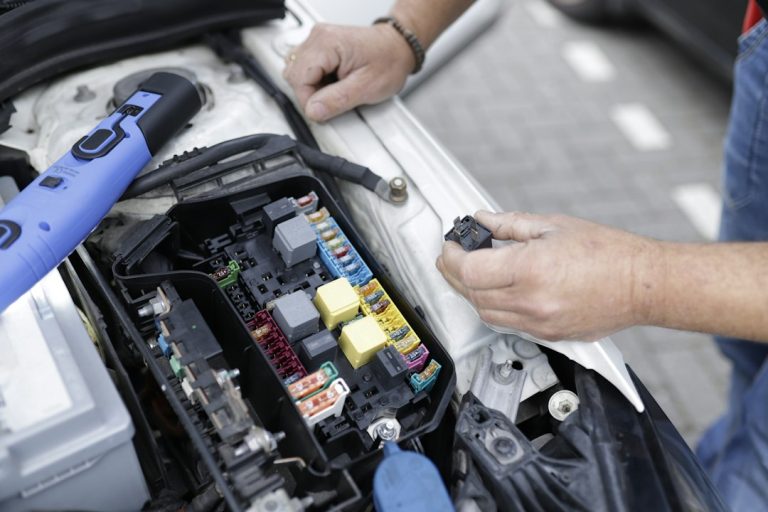
CAN-bus theft has become one of the phrases owners see in headlines without much useful explanation. At a high level, the CAN bus is part of the internal communication network that allows vehicle modules to exchange commands and status information. Criminal tools can be designed to manipulate that communication on vulnerable vehicles.
Owners do not need instructions for the attack. The practical question is what can make the vehicle harder to steal even if an attacker targets its electronics. The answer is the same principle used elsewhere in security: software and manufacturer protections, an independent mechanical barrier, controlled access to the car and a recovery layer.
What does CAN bus mean?
CAN stands for Controller Area Network. Vehicles use it so electronic modules can communicate without every component requiring a separate direct wire to every other component.
This network is fundamental to modern cars, which is why security flaws or unauthorized devices that manipulate it can have significant effects.
Relay theft focuses on the communication between a passive key fob and the car. CAN-based theft targets vehicle communications instead, so a Faraday pouch that blocks the key signal does not address every possible electronic theft method.
That does not make Faraday pouches useless; it means they protect a different layer. Read our Faraday pouch guide and existing keyless theft guide for key-signal protection.
Why this matters in 2026
Thatcham Research highlighted CAN-bus injection devices alongside relay tools, jammers and key emulators when discussing the UK’s Crime and Policing Act 2026. The legislation created new offences around possession and supply of electronic vehicle-theft tools, reflecting how central these techniques have become to organized vehicle crime.
See Thatcham’s 2026 vehicle-security statement for the current UK context.
Ask the manufacturer about security updates
Vehicle manufacturers can respond to known theft patterns through software changes, revised modules, dealer procedures and model-specific security updates. Check recalls, technical campaigns and dealer advice for your exact model and production year.
Do not assume a generic aftermarket fix from a forum applies safely to your vehicle. Modern cars integrate security systems deeply with body, engine and network modules.
Add a mechanical layer that does not depend on the car’s electronics
A steering-wheel lock, wheel clamp or other quality physical restraint creates a separate obstacle. The thief may still gain electronic access but cannot simply drive away without addressing the mechanical device.
Police and Secured by Design guidance continue to recommend visible physical locks because they add time and complexity. See Do Steering Wheel Locks Work?.
Parking position can change exposure
Park in a locked garage where practical, or choose a position with good natural surveillance and controlled access. At home, a gate or security post can create a physical barrier that has nothing to do with vehicle electronics.
Our driveway car theft prevention guide covers home parking layers, while parking garage security addresses apartment and communal facilities.
Cameras are useful evidence, not a substitute for a barrier
Home CCTV can document approach, vehicles and timing. It can also make the area less attractive to some offenders. But a camera does not physically stop a car from leaving.
Position cameras to capture the driveway approach and faces where possible, not just the car from a distant roofline. Preserve footage quickly after any incident.
Trackers improve the recovery side
A dedicated vehicle tracker can help locate a stolen car, particularly when linked to a monitoring service or insurer-recognized recovery process. Consumer Bluetooth tags may be useful for finding property but are not equivalent to a purpose-built vehicle recovery system.
See our car tracker guide for the difference between prevention and recovery.
Protect other electronic access points too
CAN-based risk does not remove OBD or key-programming risk. If the vehicle is a known target for unauthorized diagnostic access, consider model-specific OBD protection as another layer.
Our OBD Port Theft Prevention guide explains lock guards and dealer-supported protection without going into bypass procedures.
Do not chase a single “anti-CAN” gadget without evidence
Aftermarket products may claim to solve a specific theft method, but quality and compatibility vary. Look for recognized testing, manufacturer support, insurer acceptance or credible police/security accreditation rather than relying on dramatic marketing videos.
Secured by Design and Sold Secure listings are useful starting points for independently assessed physical security products in the UK market.
If your model is being targeted locally
Local police alerts often reveal which vehicles are currently popular with thieves. If your model appears repeatedly, act before an incident: update the vehicle, improve parking, add a visible lock and review tracker options.
Do not wait for the manufacturer or insurer to contact you individually. Owners often learn about local targeting patterns first through police and community crime notices.
Bottom line
CAN-bus theft is a vehicle-electronics problem, but the owner response does not need to be technically complicated. Keep the vehicle updated, ask the dealer about model-specific protections, add an independent physical lock, control the parking environment and prepare a recovery layer. The point is to make electronic access insufficient on its own.
For the broader strategy, see the Modern Car Theft Prevention Guide.