How to Prevent Package Theft: Delivery Choices, Lockboxes, Cameras and Missing Parcels
A doorbell camera can record a package being taken, but it cannot bring the parcel indoors while you are at work. The most effective first question is therefore not which camera to buy. It is how to avoid leaving a valuable delivery unattended in an exposed place for hours.
Pickup locations, attended handover, suitable secure storage and timely collection address that exposure directly. Cameras and alerts can support the plan, but they should not be mistaken for a physical barrier or a guaranteed response. This guide helps you choose the right arrangement for a house, apartment or irregular schedule and explains what to do when a parcel appears to be missing.
Choose the delivery method before placing the order
Look at the delivery options during checkout, not only after a shipping notification arrives. The retailer and carrier may limit rerouting, signatures or alternative locations for particular items. A service available for one parcel may not be available for the next.
For an expensive, sensitive or difficult-to-replace item, prioritize a method that gives you reliable control over collection. That might be a staffed pickup point, eligible parcel locker or a delivery window when someone can receive it. The best option is one you can actually use without missing its collection deadline.
| Option | Useful for | Check before selecting |
|---|---|---|
| Staffed pickup location | People away during normal delivery hours | Opening times, identification and item eligibility |
| Carrier or retailer locker | Eligible parcels with convenient nearby collection | Size limits, access hours and collection window |
| Attended home delivery | Important items or predictable availability | Whether signature or scheduled service is offered |
| Authorized trusted recipient | Occasional absences | Consent, handover instructions and accountability |
| Compatible parcel box | Frequent deliveries at a suitable property | Capacity, anchoring, access method and carrier practicality |
| Ordinary doorstep with alerts | Lower-risk deliveries collected promptly | How long the parcel remains exposed |
Do not treat the table as an assurance that every carrier supports every arrangement. Confirm the exact shipment’s options through the retailer or carrier’s official account.
Pickup points and lockers can remove the doorstep problem
A pickup location can be particularly useful when nobody is home during the day. It changes the task from monitoring an exposed parcel to collecting it through an established process. Check access hours and travel practicality before relying on it.
UPS’s delivery guidance describes eligible rerouting to alternative pickup locations and verification options. Amazon’s package guidance also describes pickup and delivery-choice features. These are service-specific options, not universal entitlements for every order.
Keep collection codes and notifications private. A locker code forwarded casually to several people can weaken the control the locker was intended to provide. Arrange one clear authorized collector where necessary.
Attended delivery and signatures
Where available, an attended or signature-required service can reduce the chance that a parcel is simply left exposed. Check what the service actually requires and whether someone suitable will be available. A missed delivery can introduce its own inconvenience, so plan the fallback.
Do not assume that selecting a signature option guarantees a particular person will receive the item or that every carrier uses the same process. Read the shipment’s conditions and instructions. For a business or shared reception, agree who is allowed to accept deliveries and how they reach the intended recipient.
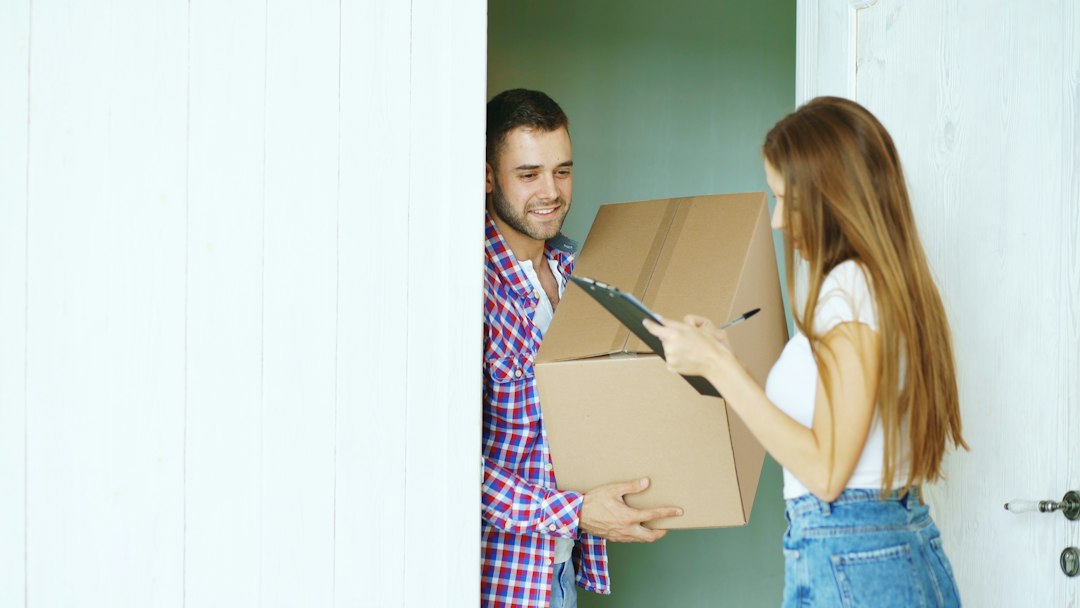
If your schedule is unpredictable, a pickup point may be more practical than repeatedly trying to be home. Choose the process you can maintain rather than the one that sounds strongest in theory.
Give clear, safe delivery instructions
Where the carrier permits instructions, identify a practical location that is less exposed and does not obstruct an exit or create a hazard. The location should be easy for the driver to find and suitable for the parcel’s size and weather sensitivity.
Do not ask a driver to climb a fence, enter an unsafe area or use a hidden household key. Avoid publishing security codes in a permanent note visible to everyone at the entrance. Use the official delivery-instruction system and limit access to what is appropriate.
Instructions are not a guarantee that every parcel will be placed exactly as requested. Review actual deliveries and adjust the arrangement when it repeatedly fails. A complicated route behind several locked gates may be less usable than a simple authorized pickup alternative.
Parcel boxes: evaluate the whole installation
A parcel box can be useful when deliveries are frequent and there is a suitable place for it. Its value depends on how parcels enter, how the box is secured and whether drivers can use it without special effort. An attractive container that can be carried away is not equivalent to an appropriately anchored storage system.
Check internal dimensions against your normal parcels, not just the biggest box the product photo shows. Consider what happens after the first delivery of the day: can a second parcel be added without exposing the first? Is the opening weather-protected and usable with ordinary packages?
Assess anchoring and permission before drilling. A rented property or shared corridor may restrict installation, and the box must not block access, ventilation or escape. Follow the manufacturer’s intended mounting method rather than improvising attachment to fragile trim.
Mechanical versus connected parcel storage
A mechanical deposit design can avoid batteries and accounts, but its access arrangement and capacity still need checking. A connected box may support temporary codes or alerts, yet it adds power, connectivity and maintenance requirements.
Ask what happens when a battery is depleted, the network is unavailable or a delivery arrives while the box is occupied. Make sure the recipient has a legitimate backup retrieval method and that old delivery codes are managed appropriately.
Do not select a connected product solely because it can send a notification. The basic question remains whether the parcel is retained in a suitable, practical enclosure after the driver leaves.
What a camera can realistically add
A camera can help confirm when a parcel arrived, where it was placed and what happened afterward. It may provide evidence after a theft and can support a conversation with a courier. It does not physically prevent removal or guarantee that someone responds to an alert.
Test the view with a parcel on the ground and a person standing at the threshold. Some doorbell lenses show faces well while cutting off the package area. Check the beginning and end of saved events, not only the live image.
Our doorbell-versus-camera guide explains the placement tradeoffs. The recording guide explains why an online camera may not retain every minute between motion events.
Use alerts to shorten exposure, not create false reassurance
Carrier notifications can help you arrange prompt collection. A household member or authorized neighbor may be able to bring the parcel in, but make the arrangement explicit rather than assuming someone will notice it.
Too many camera alerts can lead to notifications being muted. Configure the relevant view and event types, then test a real delivery-like movement. A useful notification should help you act, not simply create another stream of interruptions.
Do not post live delivery details or absence schedules publicly. Share tracking only with people who genuinely need it to help collect the item.
A lobby with a camera is not necessarily a secure parcel room. Ask where deliveries are supposed to go, whether staff accept them and how residents retrieve them. A pile of boxes beside a communal door remains exposed even when access to the building is nominally controlled.
Report broken entrance latches and clarify delivery access with management. Do not prop open a shared door to make courier visits easier or distribute unrestricted entry codes without authorization. That can create a larger security problem for everyone in the building.
For recurring losses, discuss controlled storage or a formal handover process rather than relying only on more cameras. Our apartment guide covers the relationship between individual deliveries and shared access.
Workplace deliveries and trusted recipients
Having a parcel sent to work can be convenient only when the employer permits it and someone can receive it appropriately. Check the policy, opening hours and handling arrangements. Do not assume a reception desk can store every personal delivery securely.
A trusted neighbor can help with occasional handover, but agree how the parcel will be collected and what happens if they are also away. Keep the request reasonable and avoid asking them to confront anyone or monitor the property continuously.
The objective is a clear chain of custody. The more ambiguous the handover, the harder it becomes to distinguish delay, misplacement and theft afterward.
When tracking says delivered but the parcel is missing
Do not immediately assume theft. Check the delivery address, photograph or location details, household members, authorized reception and any safe place specified in the order. The carrier may have recorded an unexpected location or the parcel may have been accepted by an authorized person.
Follow the carrier’s official missing-delivery process and any required waiting or inquiry steps. USPS’s tracking-help page distinguishes delivered scans from other statuses and provides an investigation path for eligible items. Other carriers have their own procedures.
Contact the retailer as well where appropriate and preserve the order number, tracking information and relevant messages. Report promptly rather than assuming every service has the same deadline or reimbursement policy.
If you have evidence of theft
Save original footage and delivery records before they expire or are overwritten. Keep context before and after the event and avoid editing the only copy. Note the approximate time and the carrier involved.
Use the appropriate reporting channel. For US mail theft, the US Postal Inspection Service provides reporting guidance; non-USPS shipments and other jurisdictions have different routes. Local police may also be relevant depending on the circumstances.
Do not confront a suspected thief or arrange your own recovery based on a camera image. Share evidence through appropriate channels rather than publishing accusations against someone whose identity or role you have not established.
Be careful with delivery-message scams
A message claiming a parcel needs a small redelivery payment can arrive while you are genuinely expecting something. That timing does not prove it is legitimate. Open the retailer or carrier’s official app or website independently rather than following an unexpected link.
Do not provide account passwords, card details or one-time codes solely because a message uses a familiar logo. Compare the actual order and tracking status through a trusted route. Keep your shopping account protected with a unique password and additional authentication where available.
Package security includes the account and delivery instructions, not just the porch. Someone changing an address or accessing a pickup code can create a problem without approaching your camera at all.
A practical plan for frequent deliveries
| Step | Decision |
|---|---|
| Before ordering | Select a delivery method appropriate to value and availability |
| Before dispatch | Check address, eligible instructions and recipient details |
| During transit | Use official tracking and permitted changes |
| At delivery | Collect promptly or use the agreed secure handover |
| If missing | Verify location, preserve records and follow carrier/retailer procedures |
| After an incident | Change the exposure arrangement, not only the camera settings |
For many households, a pickup location for expensive items and prompt home collection for ordinary deliveries is a sensible combination. You do not need every security product to make the process more dependable.
Frequently asked questions
Will a video doorbell stop package theft?
It may provide awareness and evidence, but it cannot guarantee prevention. Reduce unattended exposure through delivery choices and suitable storage.
Is a signature service always available?
No. Availability and conditions depend on the retailer, carrier, item and service. Check the specific shipment before relying on it.
Should I buy a parcel lockbox?
Consider one when it fits your delivery pattern, can be installed appropriately and is practical for drivers. Check capacity, anchoring and multiple-delivery behavior.
Does a delivered scan prove the parcel was stolen?
No. Verify the address, recorded location and authorized recipients, then use the official missing-delivery process.
Can I guarantee a refund after theft?
No universal outcome applies. Carrier terms, retailer procedures, insurance and local rules differ. Keep evidence and follow the appropriate process promptly.