

How to Prevent Wheel Theft: Locking Nuts, Alarms, Parking and Safe Installation
A locking wheel nut is not just a padlock attached to a parked car. It replaces a fastener that helps retain a road wheel, so incorrect fit or installation can create a driving hazard. The first requirement is compatibility; theft deterrence comes from a correctly specified product installed as part of a sound wheel assembly.
Combine suitable hardware with sensible parking, controlled access to the matching tool and any useful alarm features. Do not expect one unusual fastener pattern to make wheels impossible to steal. This guide explains what to compare, which claims deserve scrutiny and how to preserve roadside serviceability while improving protection.
Identify the vehicle and the wheels actually fitted
Record the vehicle model and year, then check whether its wheels are original or aftermarket. A fit guide based on the original wheels may not describe a changed installation. Wheel nuts and wheel bolts are different arrangements, and apparently similar threads do not settle every compatibility question.
Ask a competent tire or wheel specialist to confirm the correct fastener style, seating surface, dimensions and required engagement. An incorrect seat can contact the wheel improperly even when the thread appears to turn normally.
McGard’s application guidance explicitly requires verification of the wheel and fastener combination. Use that as the standard of care for any brand, not as a reason to assume a universal kit fits simply because its packaging lists your vehicle.
How a wheel lock differs from an ordinary fastener
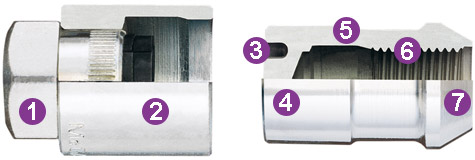
A locking nut or bolt uses a matching key tool to engage its special drive pattern. It still has to perform the intended retaining function for the wheel. The presence of a patterned head does not remove requirements for correct material, seat, thread and installation.
A cosmetic cap is not the same product, and an ordinary spline-drive fastener should not automatically be described as a unique security lock. Ask what the exact product is designed to do and what documentation supports the claim.
Compare protection methods by their actual role
| Measure | What it contributes | Important limitation |
|---|---|---|
| Compatible locking nuts or bolts | Add a nonstandard removal-tool requirement | Not a guarantee against every removal method |
| Suitable wheel restraint for storage | Restricts movement of the parked vehicle or trailer as designed | Must be removed before travel and fit the actual wheel |
| Supported tilt or tow-away alarm | Can alert to a configured movement event | Does not physically retain a wheel or guarantee response |
| Controlled parking or garage | Reduces access and exposure | Its gates, credentials and doors need maintenance too |
| Appropriate camera coverage | May provide useful incident evidence | A camera can miss detail or fail to record a brief event |
| Records and insurance review | Support recovery and financial planning | Do not prevent the event itself |
There is no reason to buy every category. Start with sound, compatible wheel hardware and the actual parking environment, then add equipment only where it addresses a defined gap.
Fit details that matter more than appearance
Check the thread specification, seat shape and length required by the wheel system. Cone, radius and flat or shank-style arrangements are not interchangeable. A fastener that bottoms out before clamping correctly can appear tight without performing as intended.
The spare wheel may require a different approved arrangement from the road wheels. Keep the correct original or replacement hardware available according to the vehicle and wheel manufacturers’ instructions. Do not discover a compatibility problem while stranded at the roadside.
If spacers or other modifications are present, have the complete setup assessed. Do not compensate for an unexplained fit with washers, extra lubricant or improvised parts. The right accessory is one that preserves the original safety function.
Installation torque is vehicle-specific
Use the specified procedure and torque for the actual vehicle, wheel and fastener arrangement. Do not take a number from a different car or assume that tighter is always safer. Over- or uneven tightening can damage components and complicate legitimate removal.
McGard’s installation instructions require compatible seating and threads and direct owners toward the appropriate vehicle torque; they also warn against impact-gun installation for the covered locks. Follow the exact supplied instructions rather than turning those details into a universal procedure for every product.
A vehicle manual is equally important. Ford’s wheel-nut guidance for the covered Ranger specifies its own hardware, torque and follow-up requirements. Those numbers belong to that application, not every pickup or alloy wheel.
Use competent fitting when the setup is uncertain
A tire professional can check the wheel, fastener and spare arrangement together. Ask them to confirm the exact lock set and retain its documentation. A receipt saying security nuts fitted is less useful than a recorded product identifier.
Do not crawl under a vehicle supported only by a jack or improvise lifting to inspect a lock. Follow the owner’s approved wheel-service and support procedures or use appropriate professional assistance.
If a new lock does not seat correctly or the key tool does not engage normally, stop. Forcing an almost-compatible part can create a safety problem that is not obvious from outside the wheel.
More locks per wheel is not automatically better
Use the number and arrangement the manufacturer specifies for the exact set. Adding several different systems may complicate servicing and create additional opportunities for incorrect fitting without providing a proportionate benefit.
Ask the supplier before mixing different fasteners or lock designs. A wheel should remain maintainable during ordinary tire replacement and emergencies. Security that depends on an undocumented collection of keys is likely to become a practical problem later.
Evaluate the entire installed arrangement rather than the visual number of patterned heads. A small set used correctly is more meaningful than extra hardware with uncertain compatibility.
Keep the key tool available but controlled
You need a practical way for an authorized driver, tire shop or recovery service to remove a wheel. Follow the vehicle and lock manufacturer’s guidance for carrying the matching tool and keep it in a consistent, secure location rather than openly visible.
Store the key code or registration information separately and use the manufacturer’s legitimate replacement process. Do not post detailed key-pattern photographs publicly when seeking help. A spare can be useful, but it should remain under appropriate control.
Before handing the vehicle to a service provider, identify where the key is and ask for it to be returned. Check that it is present before leaving the shop, especially before a long journey.
If the key is lost or the lock is damaged
Contact the lock manufacturer, vehicle dealer or a competent wheel service through the documented recovery route. Provide the appropriate ownership and product information. Avoid improvised removal that can damage studs, wheels or the key interface.
If the problem arose during servicing, have the installer assess why it happened before fitting another set. Incorrect torque, poor tool engagement or incompatible hardware can create repeat failures.
After authorized removal, restore the correct retaining hardware before normal driving. Do not accept a missing fastener as a temporary convenience without the vehicle manufacturer’s explicit safe procedure and professional advice.
Parking and garages
Use legal parking with reasonable visibility or controlled access where possible. A garage can reduce exposure, but its door, side entrance and remotes must be managed. A space behind an unlocked shared gate is not the same as a controlled facility.
Police.uk’s vehicle-security guidance includes locking wheel nuts as one measure alongside ordinary vehicle and parking precautions. It does not describe them as an absolute guarantee.
Do not park dangerously close to an obstruction or obstruct a public route in an attempt to shield the wheels. The vehicle must remain safe to enter, operate and leave through the intended route.
Tilt alarms and movement sensors
Check the vehicle’s existing alarm equipment before buying an addition. Some systems can detect changes associated with lifting or towing, while others have different sensor capabilities. The owner’s manual should explain arming, transport modes and limitations for the exact vehicle.
Use a qualified installer for aftermarket equipment that connects to vehicle electronics. Do not test an alarm by lifting a vehicle unsafely, and do not modify wiring based on a generic online diagram.
An alarm can produce warning but still needs a response plan. If you receive an alert, assess from safety and contact the appropriate authorities when necessary. Do not confront someone because a sensor has activated.
Cameras and parking-mode recording
A home camera can cover a parking area, but its view may not show all sides of the vehicle. A dash camera may also miss activity near individual wheels. Test the actual scene and original recording at night before assuming an incident would be documented clearly.
Check the power and storage arrangement for parking mode. A camera that records only when a particular sensor triggers may leave gaps. A hardwired installation should follow vehicle-compatible power-management instructions.
Our camera-placement guide explains the difference between overview and useful detail. Monitoring supplies information; it does not replace mechanical wheel retention.
Records and insurance
Photograph the installed wheels and retain their specifications, receipts and lock information. Record aftermarket changes accurately. The insurer may treat modified wheels or accessories differently from the original equipment.
Ask about theft cover, deductibles and any security conditions in your actual policy. A product being marketed as approved does not establish acceptance by every insurer. Keep the answer with the records rather than relying on a sales conversation.
A wheel’s replacement cost can include related damage and work, but compensation is not automatically unlimited. Avoid assuming the same cover applies to all vehicles and uses.
What to do after suspected interference
If wheels or fasteners appear disturbed, do not drive until the vehicle has been assessed appropriately. Missing or loosened hardware can create a serious hazard even when the wheels are still present. Do not simply fit a new lock and assume the rest was untouched.
If the vehicle is resting on improvised supports or damaged components, keep people clear and arrange professional recovery. Photograph the condition from a safe position and report suspected theft to the relevant authorities and insurer.
Do not enter under an unstable vehicle or attempt to confront somebody offering apparently matching wheels for sale. Preserve identifying information for the professionals handling the incident.
After tires or wheels have been serviced
Check that the correct locks and key tool have been returned and that the installer followed the appropriate procedure. Follow any specified recheck or retorque instructions for the actual vehicle and hardware rather than adopting a universal mileage interval.
Pay attention to new vibration, unusual noises or visible problems and obtain appropriate assistance. A theft-deterrent accessory must not obscure the more important fact that the wheel assembly needs to remain safe on the road.
Update your records after a wheel change. A lock set suitable for the previous wheels may not be suitable for a new aftermarket design.
Frequently asked questions
Do locking wheel nuts prevent all wheel theft?
No. They add a removal obstacle when correctly specified and installed. Use them as part of a broader parking and access plan.
Can I buy any set with the correct thread?
No. Seat shape, length, engagement and the actual wheel configuration also matter. Verify the complete application.
Should I install several different locks on each wheel?
Use the manufacturer’s specified arrangement and seek advice before mixing systems. More hardware is not automatically a better or safer installation.
What should I do if I cannot find the key?
Use the manufacturer’s or dealer’s authorized replacement process or a competent wheel service. Avoid destructive improvisation that can damage safety-critical parts.


