How to Secure a Window With a Broken Lock Until It Can Be Repaired
A broken window lock needs a prompt repair, but the immediate question is often what to do tonight. A window that closes but will not latch presents a different problem from a sash that cannot close, damaged glass or a loose frame. Temporary measures should match that condition instead of creating the appearance of security around an opening that still fails.
Start by making the area safe, identifying the window type and establishing whether it is a required escape opening. Then arrange the appropriate repair and use only a compatible interim measure that preserves necessary operation. A sensor can warn of movement, but it is not a replacement for physical closure, and permanently screwing an escape window shut is not a sensible shortcut.
Assess the immediate condition
Check whether the glass is intact and the sash remains properly supported. Keep people away from loose or cracked glazing and a window that could fall or swing unexpectedly. If there is evidence of a break-in, preserve the scene where safe and use the appropriate reporting and repair services.
If the opening is accessible from outside and cannot be closed reliably, request urgent assistance rather than relying on a decorative latch or adhesive strip. A glazier or window specialist may need to make the opening safe before the exact replacement mechanism arrives.
For a rented home, send the property manager a clear description and photographs. Say whether the window can close, whether the handle moves and whether the opening is reachable, rather than reporting only that the lock seems bad.
What exactly is broken?
| Symptom | Possible issue | Useful next step |
|---|---|---|
| Handle turns freely without securing the sash | Handle connection or linked mechanism failure | Identify the model and arrange compatible servicing |
| Latch moves but misses its receiver | Sash or receiver alignment | Check normal closure and visible gaps |
| Window does not reach the closed position | Obstruction, hinge, track or frame problem | Do not force the handle to pull it into place |
| Key is lost but mechanism appears sound | Authorized access problem | Contact the owner or appropriate lock service |
| Fasteners no longer hold | Damaged or unsuitable supporting material | Repair the substrate, not just the latch |
| Glass or frame is damaged | A broader opening failure | Professional making-safe and repair assessment |
These observations guide the next step without pretending to diagnose every window from a photograph. Several faults can coexist, especially after impact or long-term water damage.
Confirm the opening’s escape role
A bedroom or basement window may form part of a required emergency escape or rescue arrangement. The exact rules vary by location and building. Before adding a restraint, ask the responsible building professional or local authority when the requirement is unclear.
Any interim protection must be evaluated against that role. A device removable only with a hidden key, a tool or complicated manipulation can create a problem even if it prevents ordinary opening. Consider the actual occupants’ reach and ability, not only whether a strong adult can remove it eventually.
Miami-Dade Fire Rescue’s guidance emphasizes clear, usable escape routes when security devices are present. Use the applicable local requirements rather than borrowing another jurisdiction’s window dimensions or assuming the front door is the only route that matters.
Identify the window before choosing a temporary lock
A horizontal slider, double-hung sash and hinged casement need different restraints. A track stop cannot do the same job on a window that swings outward. Tilt-and-turn windows add another operating sequence, while roof windows may have specialized locks and hinges.
Find manufacturer markings and photograph the hardware from a safe position. Include the handle, receiver, frame and overall opening. Avoid ordering a replacement purely because its visible face resembles the original.
Andersen’s replacement-lock guidance demonstrates why product identification matters: casement and awning mechanisms interact with specific keepers, while other window types use different components. The lesson is compatibility, not that every brand follows Andersen’s design.
Horizontal sliding windows
Where the sash and frame are sound, a purpose-made compatible track restraint may limit opening while a primary lock is repaired. Check the product’s intended track dimensions, how it holds and how it is released from inside. Do not clamp it onto fragile trim or tighten it until the frame deforms.
Sliding movement and panel retention are separate questions. A stop may prevent normal travel without addressing a loose or damaged panel-retention arrangement. If the sash is unstable, have that repaired rather than declaring the window secure because it will no longer slide.
A removable rod can obstruct travel in some designs, but it is not a tested security rating and may move out of position. Do not let a simple improvised item become a permanent substitute for the original locking system or an obstacle to a required exit.
Single- and double-hung windows
Check that each intended sash reaches its correct closed position. On a double-hung unit, the upper sash can be slightly displaced even when the lower sash looks seated, preventing the lock and keeper from meeting. Do not immediately move the keeper to compensate for a sash-position problem.
Window World’s operating guidance identifies sash alignment and balance-related conditions that can prevent locking on its products. Balance mechanisms and tilt hardware should be handled according to the exact window’s instructions, not adjusted by guesswork.
A compatible secondary sash lock may be an option, but its installation must preserve required operation and obtain sound support. A device intended to limit ventilation is not automatically a replacement for an entrance-security lock.
Casement and awning windows
A hinged window can fail to lock because the sash is not reaching the receiver, the handle connection is damaged or the locking mechanism itself has failed. A crank operator is not necessarily the primary security lock, so winding it tight is not proof of proper retention.
Inspect accessible hinges, seals and receivers without forcing the sash. Andersen’s sash-adjustment information links correct fit with smooth locking on the specific series it covers. Its adjustment procedure should not be applied to an unidentified window.
For temporary protection, a supplier may recommend a suitable surface restraint where the construction and escape role allow it. Do not substitute a slider’s track clamp or drill near glazing without knowing the profile and approved fixing points.
When the window will not close at all
Look for ordinary loose obstructions in accessible tracks or sealing surfaces, but do not remove structural hardware to force closure. A distorted hinge or failed support may leave a heavy sash unsafe to handle. Stop if it moves unexpectedly or the glass is damaged.
A professional may need to secure the opening temporarily and return with the correct parts. Ask how the interim arrangement affects weather protection, ventilation and escape. Keep a record of its limitations and the scheduled permanent repair.
Tape, thin plastic and a curtain do not provide meaningful forced-entry protection. They can conceal a problem without fixing it. Describe the actual condition honestly to everyone who needs to use the room.
What not to use as a universal fix
Avoid indiscriminate screws through the sash and frame, permanent wedges on escape openings and adhesives with unsupported strength claims. Drilling can damage glazing, drainage channels, reinforcement or the window’s required performance.
Do not tie the window to furniture or build a restraint that becomes a trip or entanglement hazard. A mechanism that seems secure only because nobody can open it is not automatically appropriate for an occupied room.
If a professional recommends a temporary mechanical restraint, ask what it is intended to do, how it releases and when it will be removed. Temporary should describe a managed short-term repair stage, not an indefinite installation nobody checks.
Use monitoring only as a supplementary measure
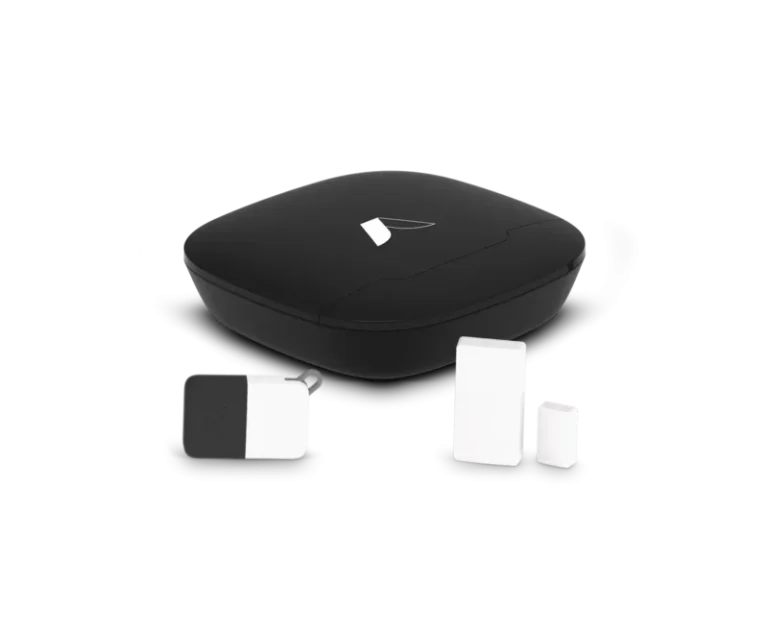
A contact sensor can alert when the monitored relationship changes, but it does not hold the window shut. A camera can document an approach but may miss the opening itself or fail at night. Neither should be used to claim that an accessible broken window is mechanically repaired.
If you already have an alarm, confirm whether the temporary position affects its sensor. Test the intended event using the manufacturer’s procedure and ensure the responsible person receives the warning. Do not disable the whole system because one faulty opening causes nuisance alerts.
For broader improvements after repair, use our window-security guide. Keep the immediate job focused on restoring proper closing and locking.
Ordering the correct permanent repair
Give the repairer the window model, approximate age if known, material and photographs. Explain whether it closes, whether the handle moves and whether the fault began suddenly or gradually. Note weather-related changes or recent work around the opening.
Ask whether the proposal replaces the handle, mechanism, keeper, hinge or a larger assembly. A new handle may not repair a failed gearbox, while replacing the whole window may be unnecessary for a readily available component.
For older windows, compatible parts can require a specialist source. Do not fit an almost-correct part that leaves reduced engagement. The completed repair should preserve the window’s original intended operation or an appropriately approved replacement specification.
Repair versus replacement
A sound frame and sash with an isolated lock failure often justify a targeted repair. Extensive decay, distorted construction, damaged glazing retention or obsolete unsupported mechanisms can change the economics.
Compare the complete installed cost and outcome. A cheap temporary accessory repeatedly replaced over several years may be worse value than one proper repair. Conversely, a minor component fault should not automatically trigger replacement of every window in the room.
If replacement is proposed, ask about safety glazing, thermal requirements, escape function and security evidence for the actual unit. The glass comparison helps distinguish glazing properties from lock performance.
Verify the repaired window
- Open and close it through the normal supported range.
- Confirm the latch engages without lifting, forcing or unusual pressure.
- Check the intended locked and ventilating positions separately.
- Verify appropriate release and any required escape operation.
- Check that seals, drainage and alarm contacts remain functional.
- Remove temporary restraints that are no longer needed.
Ask the repairer to demonstrate the result and leave the part details. If a special maneuver remains necessary, the fault has not necessarily been resolved just because the window can now be made to lock once.
Prevent the temporary measure from becoming permanent by accident
Set a clear repair follow-up and keep the household informed of the temporary arrangement. Do not let a blocked window become normal because nobody remembers why the accessory was installed. Recheck promptly if the window’s use or occupants change.
Maintain the repaired mechanism according to the manufacturer’s instructions. Changes in effort, new rubbing or a loose handle are reasons to act before another failure leaves the property exposed. Correct maintenance is more useful than adding random lubricants whenever the handle becomes stiff.
Frequently asked questions
Can I secure a broken window lock without drilling?
Some window types accept compatible removable restraints, but suitability depends on the track, frame and escape role. A universal no-drill product should not be assumed to fit every opening.
Does a working handle prove the window is locked?
No. The handle may move without the intended locking points engaging. Verify actual operation and obtain repair when the mechanism fails.
Should I screw the window shut until a repairer arrives?
Do not use that as generic advice, especially on a required escape opening or an unidentified frame. Obtain a suitable temporary solution that preserves safety.
Can an alarm compensate for the broken latch?
It may provide warning but does not restore physical retention. Treat it as an additional measure while arranging repair.
When is the problem urgent?
When the opening cannot be safely closed, is accessible and unsecured, has unstable glass or affects a required exit. Use the appropriate property or emergency assistance process for the circumstances.