How to Keep Your Home Secure During Fumigation Without Interfering With Safety
Preparing a home for professional fumigation changes its ordinary security arrangements. Occupants must leave, authorized workers need access and some doors, appliances or monitoring equipment may have to be handled differently under the treatment plan. The right response is to agree a security arrangement with the licensed provider before work begins, not add last-minute locks that obstruct the work.
Never enter an active fumigation area, interfere with its barriers or return because a camera appears to show theft. Fumigants can be life-threatening. A burglary concern should be reported to the responsible company and appropriate emergency services, with the treatment clearly identified. No possession is worth an unauthorized entry.
What this guide covers
This article concerns household security during professionally managed structural fumigation, particularly whole-building treatment using restricted fumigants. It does not provide pesticide-application instructions or authorize a homeowner to perform clearance testing.
Other pest treatments can have different preparation and re-entry requirements. Identify exactly what work is scheduled and follow the product-specific instructions supplied by the licensed provider. Do not apply a timetable from a neighbor’s treatment or a general internet article to your own building.
The US Environmental Protection Agency’s sulfuryl-fluoride guidance explains that this is restricted professional work and describes additional safety measures for residential fumigation. Local licensing rules and the current product label govern the actual operation.
Ask who is responsible for security
Before agreeing the job, identify the contracting company, the company performing the fumigation and the person responsible during treatment. They may not all be the same party. Keep official contact details available outside the property.
Ask what access restrictions, inspections, monitoring or guarding are actually included. A quote for pest treatment is not necessarily a contract for continuous security monitoring. Do not infer a guarantee from a general statement that the house will be secured.
Get the arrangements in writing, including how suspected unauthorized activity is reported and who communicates with police or emergency responders. The purpose is clear responsibility, not a promise that no incident can occur.
Questions to resolve before the scheduled departure
| Issue | Question for the provider | Record to keep |
|---|---|---|
| Authorization | Which licensed company and workers will attend? | Official company details and the responsible contact |
| Access | Which keys, codes and entrances must be available? | The agreed access process |
| Security | What protective measures and checks are included? | Scope and limitations of the service |
| Electronics | Which cameras, routers or alarms may remain operating? | Product- and treatment-specific instructions |
| Schedule | Who tells us when departure or return arrangements change? | Reliable notification route |
| Re-entry | How will formal authorization be given? | Required clearance notice and confirmation process |
If a question is unanswered, resolve it before leaving rather than asking a neighbor to make a decision at the fence while treatment is underway.
Remove essential items before access ends
Prepare medication, travel documents, keys, work equipment, chargers and other items you will need during the absence. Follow the provider’s instructions for food, animals, plants and household materials; security advice does not override the treatment preparation.
Consider removing compact high-value belongings to appropriate secure storage. Make an inventory of anything important left behind, with photographs and identifying numbers stored elsewhere. That supports recovery and claims without requiring a return visit during treatment.
Do not assume an interior safe creates permission to enter the property to retrieve its contents. If an item may be needed, arrange for it before the exclusion period begins. Keep a practical extra supply of necessities where appropriate in case the authorized return is delayed.
Review contractor and household access
List the keys, codes and remote services involved, including cleaners, deliveries and relatives who normally visit. Tell authorized visitors that ordinary access is suspended for the relevant period and that only the provider’s clearance process permits return.
Do not add an independent padlock or secretly change a code after agreeing the access plan. That could obstruct professional work or emergency procedures. Ask the responsible operator how any temporary access credential should be created and later removed.
Where a managed building or adjoining unit is involved, make sure the owner or manager coordinates responsibilities. Do not decide yourself which connected space lies outside the treatment area. Report shared structures or services to the licensed provider as instructed.
Do not interfere with secondary locks, barriers or signs
Safety measures can deliberately prevent even an owner from entering before clearance. In California, for example, Los Angeles County’s fumigation guidance explains secondary locking and re-entry certification. These are jurisdiction-specific professional requirements, not homeowner installation instructions.
Leave warning signs, seals and barriers in place and report damage from outside through the agreed route. Do not try to demonstrate that your own house key still works. A lock-out during this process can be an intended protective measure.
Tell neighbors not to enter, lift coverings or investigate alarms. Their role, if agreed, is to observe from a safe authorized location and report a concern, not provide hands-on intervention.
Cameras: verify what can actually remain useful
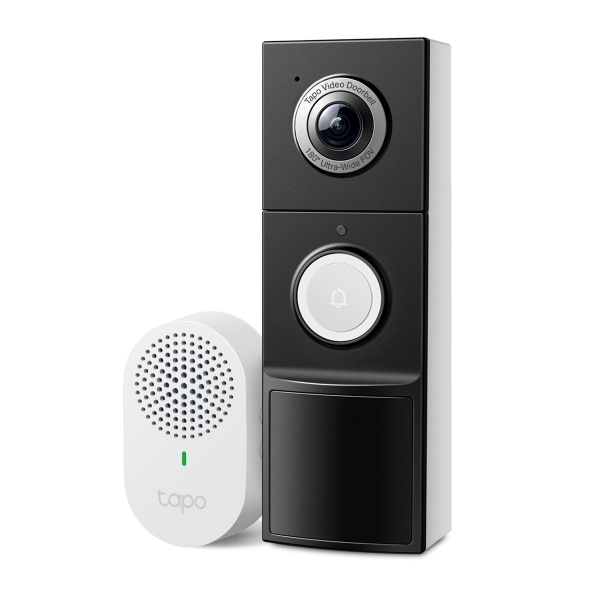
A normal exterior camera may sit beneath a covering or lose power under the preparation plan. A router or recorder may also have different requirements. Ask the provider before relying on existing equipment, and confirm what view and communication path remain available.
A temporary camera outside the treatment area may be worth discussing where installation, power and privacy are appropriate. It must not obstruct workers, interfere with the covering or create a reason for somebody to enter a restricted zone to adjust it.
The City of Lakewood’s prevention advice suggests asking about contractor security and considering external monitoring. It does not establish that a consumer camera is a substitute for professional safety measures or a guaranteed response service.
Test any permitted recording before work begins and know how long footage is retained. If an incident occurs, export the accessible original without attempting to recover a memory card from inside. Our camera-planning guide explains the difference between a live view and useful retained evidence.
Coordinate the alarm, not just the camera
Discuss intrusion, fire and connected-home systems with the provider and the appropriate service companies. Some activity during preparation or aeration can trigger ordinary alarms. Disabling every protective system indiscriminately is not the answer; follow the specific authorized plan.
If a monitoring service is involved, tell it the relevant circumstances and agreed contacts. A response team needs to know that the building is under fumigation before anyone approaches or enters.
Record what was changed and who will restore it after clearance. Otherwise a temporary adjustment can quietly become a permanent disabled alarm after everyone has returned home.
Trusted neighbors can report, not enter
Give a trusted contact the legitimate company information, your number and the reporting instructions. Explain which scheduled visits are expected without publishing unnecessary access details widely.
If unusual activity occurs, they should observe only from a safe place and contact the responsible authorities or operator as appropriate. A person apparently in difficulty inside an active treatment area also requires trained emergency response; an unprotected rescue attempt can create additional casualties.
Do not ask a neighbor to sleep beside the structure, remove a covering or challenge workers. Any authorized onsite security service must be coordinated with the treatment provider and local requirements, not improvised by the household.
Where you stay during the work
Arrange accommodation that is outside the required exclusion area and suitable for all occupants and pets. Being on your own land does not automatically make a nearby vehicle, shed or caravan a safe place to stay. The professional treatment plan and local rules determine what is acceptable.
Build flexibility into the return arrangement. Weather, work requirements or clearance can affect the schedule. Do not pressure the operator to provide early access because a hotel checkout or work meeting was booked too tightly.
Keep the provider’s emergency contact and essential household information with you. A well-organized absence reduces the temptation to return for one forgotten item.
Insurance and incident records
Ask your insurer what the policy requires during the specific treatment and absence. Check how theft, contractor responsibility and temporary security changes are handled. Do not assume that a claim will automatically be accepted or rejected because a fumigation tent was present.
Keep the contract, preparation instructions, photographs and correspondence. If something is missing after authorized return, verify the inventory and household movements before making accusations. Document the facts and use the police, company and insurer processes appropriate to the situation.
Preserve original recordings and timestamps where available. Do not edit the only copy or post an accusation against a worker based on an unclear view. Evidence should support a factual investigation, not an online confrontation.
Re-entry depends on professional clearance, not a clock or smell
Do not enter because the advertised number of hours has passed, the covering has moved or you cannot smell anything. The EPA’s clearance explanation describes professional measurement and authorization. Consumer air-quality monitors and personal protective gadgets are not substitutes for that process.
Confirm the required notice and direct instructions from the responsible company. If the communication is unclear, remain outside and ask. A neighbor saying the workers appeared finished is not the same as authorized re-entry.
After clearance, follow the supplied instructions rather than inventing additional chemical or ventilation procedures. If anyone experiences symptoms suggesting exposure, leave for fresh air and seek urgent medical or emergency advice as appropriate, identifying the fumigation to responders. Do not return to investigate the source yourself.
Restore ordinary security after the treatment
Once entry is formally authorized, check the entrance hardware, alarm status and any agreed temporary access changes. Revoke no-longer-needed digital credentials through the supported process and confirm that household users retain legitimate access.
Review cameras and recording, because the work may have changed angles, connections or settings. Test an ordinary event and export a short clip rather than assuming the online indicator proves everything returned to normal.
Record damage or discrepancies promptly through the appropriate company process. Separate a maintenance defect, missing item and possible exposure concern so each reaches the right responsible person.
A practical departure and return record
| Before departure | After authorized re-entry |
|---|---|
| Essential belongings and approved removals completed | Inventory checked and discrepancies recorded |
| Access and monitoring instructions agreed | Temporary changes restored or removed appropriately |
| Official contacts available outside the house | Clearance documents retained |
| Neighbors and regular visitors told not to enter | Relevant contacts told normal access has resumed |
| Permitted recordings verified | Camera and alarm functions tested again |
The record is useful because it captures responsibility at the two points when assumptions are most likely: leaving the property and believing everything has automatically returned to normal.
Frequently asked questions
Can I enter briefly to collect a forgotten item?
No. Do not enter before the responsible professional authorizes re-entry. Contact the company and arrange an alternative for the item.
Can my camera prove that the house is safe to enter?
No. An image cannot measure or certify the treatment atmosphere. Clearance belongs to the licensed professional process.
Should I add my own lock after the crew leaves?
Do not alter the agreed access or safety arrangement. Discuss additional security before treatment and follow the operator’s instructions.
What if I see a suspected burglary on the camera?
Contact the appropriate emergency service and treatment company, explicitly stating that the building is under fumigation. Do not enter or send an untrained person to intervene.