How to Secure French Doors: Active and Passive Leaves, Locks and Glazing
The vulnerable-looking part of a pair of French doors is often the center joint. Unlike a single door closing against a fixed jamb, the everyday opening leaf may lock against another leaf that can also move. A strong lock therefore depends on that second leaf being held correctly, not merely on the thickness of the key cylinder.
French doors can provide sound security when their construction, hardware and installation work together. The useful upgrade is the one that corrects the weak part of your particular pair. Begin with normal operation and the passive leaf, then assess the lock, hinges, frame and glazing. Adding a collection of surface bolts without understanding the assembly can make the entrance awkward without resolving the real problem.
Identify the active and passive leaves
The active leaf is normally the one you open first and use for everyday access. The passive or inactive leaf stays secured while the active leaf is used, but can open when a wider passage is needed. Some installations include a stationary panel instead, so do not assume that both sides of every French-style entrance are designed to move.
Andersen’s identification guide distinguishes active, passive and stationary panels and explains handing for its relevant ranges. Its passive panel carries the astragal, the central component involved in the meeting joint. Other manufacturers use their own configurations and part identifiers.
Find the label or original paperwork before ordering parts. The side on which a handle appears in a photograph is not always enough to identify handing, and a replacement for one production generation may not fit another.
Follow the locking force through the center
On many pairs, the active leaf’s lock engages a receiver associated with the passive leaf. That passive leaf must itself be retained in the frame through its specified mechanism. If it is loose, misaligned or not properly secured, upgrading only the active lock leaves an important dependency unchanged.
Traditional designs may use flush bolts into the head and threshold. Other systems have integrated multipoint hardware or automatic arrangements. Do not assume a universal number, position or type of bolt without inspecting the actual door.
| Part of the pair | What to check | Why it matters |
|---|---|---|
| Active leaf | Normal latch and full lock engagement | The frequently used door must secure without force |
| Passive leaf | Its specified top, bottom or multipoint retention | The active lock may rely on this leaf remaining correctly held |
| Astragal or meeting joint | Fit, condition and compatible hardware | Supports the intended central relationship and weather sealing |
| Receivers | Alignment, depth and firm attachment | A projecting bolt is useful only if it engages as designed |
| Hinges and frame | Support, wear and installation | Maintain position and retain the complete pair |
| Glazing | Specification and retention | Glass performance depends on the installed system |
This inspection is more useful than immediately buying a bar that joins the handles. A restraint on the handles does not establish that the rest of the assembly is supported properly.
Test the normal closing sequence
Use the door manufacturer’s sequence. In many designs, the passive leaf closes and secures before the active leaf. Other arrangements coordinate components differently. Do not force one leaf against another that has not seated properly.
Observe whether the doors meet evenly and whether a latch catches without lifting, kicking or pulling hard. Check the threshold for ordinary debris and inspect accessible seals for displacement. A door can become difficult to secure because of maintenance or alignment rather than a defective cylinder.
If a mechanism works when the door is open but binds when closed, record that observation for the installer. It points toward the interaction with the frame or other leaf, though it does not prove every internal component is healthy. Our door-not-locking guide develops that diagnostic approach.
Give the passive leaf proper attention
Open the pair only as the instructions allow and inspect the passive mechanism’s ordinary operation. Look for damaged handles, loose visible fittings and receivers that are obstructed or no longer align. Do not extend bolts against a closed surface or use force to prove that they move.
A top bolt that appears engaged while the lower retention misses its receiver can leave the door behaving differently from its intended design. The answer is to repair and align the correct system, not permanently screw one leaf shut as a generic security hack. You may need the full opening for normal use or an applicable escape requirement.
Product specificity matters. Andersen’s passive-lock replacement example distinguishes a stainless mechanism from an older zinc-dichromate version and gives a specific compatible door height. A similarly shaped strip is not necessarily an interchangeable part.
Flush bolts: manual and automatic designs
Flush bolts can hold an inactive leaf while allowing the paired entrance to open when needed. Manual and automatic variants have different operating behavior. The material of the door, bolt throw, mounting preparation and receiver position all need to match the hardware specification.
ASSA ABLOY’s automatic flush-bolt example is explicitly intended for particular paired wooden doors. It is useful evidence that flush bolts are engineered components, not a universal instruction to attach any slide bolt at the top and bottom of every French door.
Ask a professional to evaluate loose or unsupported receiving points. Adding a larger bolt without adequate support can simply transfer the problem into the threshold or head of the frame. Keep the specified operation accessible to the household.
The central astragal is not just decorative trim
The meeting component may contribute to sealing, alignment and the way the two leaves interact. Its precise structural role depends on the door design. Damage, excessive movement or an incompatible replacement can affect more than the appearance of the center gap.
Do not remove or cut it to accommodate a new lock without the manufacturer’s guidance. If the doors are difficult to close after painting or replacing weatherstripping, investigate that change rather than trimming parts until the resistance disappears.
When asking for repair, provide photographs of the full pair, the meeting edges and any product labels. Explain which leaf is difficult to operate and at what point. That gives an installer a much clearer starting point than simply requesting a stronger French-door lock.
Choose the active lock as part of the complete doorset
A conventional deadbolt, mortise lock or multipoint system may be appropriate depending on the door. Match the exact preparation and manufacturer’s requirements. An additional bored opening can intersect reinforcement, glazing or another mechanism, particularly in engineered or uPVC designs.
Look for independent performance evidence for the exact hardware or complete assembly, with a clear explanation of what has been tested. A lock rating alone does not certify the passive leaf, frame or installation. For a replacement doorset, compare the specified combination rather than selecting the most impressive cylinder independently.
Our deadbolt and latch comparison explains the mechanisms, and the front-door guide explains how to read a complete-door quotation. The same distinction applies to a pair of doors.
Hinges and opening direction
Inspect hinges for looseness, wear and visible movement during normal use. A sagging leaf can affect several locking points at once. Tightening a screw harder does not repair a stripped hole, deteriorated material or a frame that has moved.
Outward-opening French doors expose different hardware relationships from inward-opening doors. Appropriate hinge retention can be part of an outswing design; the opening direction alone does not decide whether the entrance is secure. Select compatible parts and observe any rated-door restrictions.
Do not hang heavy accessories from the handles or add an interior bar intended for another direction of travel. Our outswing-door guide explains why compatibility is more useful than a general claim that one opening direction is always safer.
Glazing: retention and certification matter
Large glass areas are part of the appeal of French doors. They also need to be considered in a security assessment. Ask what glass is fitted, how it is retained and whether it is included in the claimed performance of the doorset.
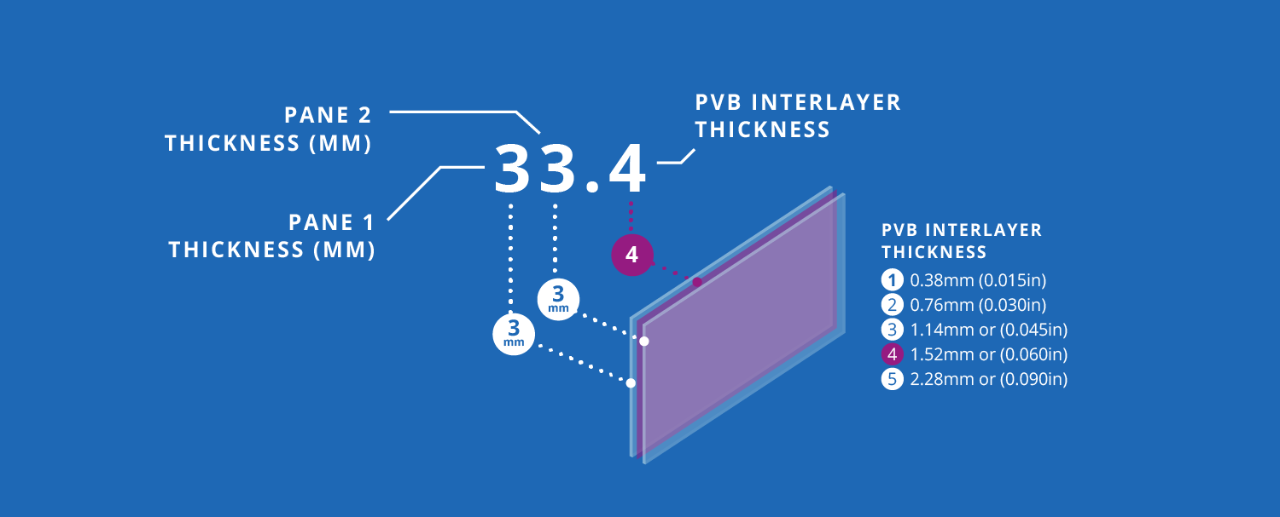
Laminated glazing can retain fragments after breakage in an appropriate construction, while tempered glass has a different failure behavior. Neither term means unbreakable. The frame, glass build-up and installation determine whether a particular security claim is relevant.
Our glass comparison and security-film guide explain retrofit and replacement options. Film does not repair a failed lock, and a pane demonstration does not establish the performance of your pair of doors.
Be selective about handle bars and secondary locks
Some products connect handles or add a separate retaining point. They can be useful only where their intended installation matches the door and the supporting components can handle the load. Decorative handles should not be presumed structural anchors.
Assess how the device is released during ordinary use and emergencies. A household member should not need to find a hidden key or perform an unfamiliar maneuver to leave through a required exit. Building rules, tenancy agreements and accessibility needs can limit acceptable options.
Use a secondary device to address a defined residual problem, not to disguise an entrance that no longer locks properly. A competent installer should be willing to explain both the expected benefit and what remains unchanged.
Weather movement and long-term reliability
French doors expose two moving leaves to temperature and moisture changes. Record whether difficult locking occurs after rain, during hot afternoons or throughout the year. The pattern can help identify a fit problem without assuming every seasonal change is harmless.
Keep seals, drainage provisions and thresholds in the condition required by the manufacturer. Do not block a drainage path with sealant to make a security accessory sit neatly. An installation that traps water can create the next structural problem.
Follow the specified maintenance products for hinges, cylinders and linked mechanisms. A lubricant suitable for one component may be inappropriate for another. If the required force changes, arrange adjustment before repeated strain turns it into a more expensive failure.
When repair is enough and when replacement is sensible
Repair can be good value when the leaves and frame are sound and the problem is a serviceable lock, receiver or alignment fault. The availability of correct replacement parts is an important factor. A reliable matched repair is preferable to a patchwork of near-fitting components.
Replacement deserves consideration when the assembly is extensively deteriorated, poorly supported or unable to accept an appropriate repair. Obtain a quote for the complete pair, frame, glazing, hardware, installation and follow-up adjustment. Do not compare a slab-only price with a fully specified doorset as though they are the same purchase.
If replacing an apartment, managed-building or rated entrance, establish the required approvals before ordering. Security should be coordinated with fire, weather and safe-exit requirements rather than added afterward.
Questions to ask before accepting the work
- Which leaf is active, and how is the passive leaf intended to secure?
- What exact component failed, and what supporting repair is needed?
- Are the supplied parts correct for the model, handing and production version?
- What security evidence applies to the finished configuration?
- Can every regular user close, lock and exit without excessive force?
- Who handles adjustment if the doors settle after installation?
Have the installer demonstrate the normal sequence with both leaves, not just the active handle. Keep the part numbers and instructions so a later repair preserves the intended assembly.
Frequently asked questions
Are French doors less secure than a single door?
The pair introduces a moving central relationship that needs proper design, but the actual construction and installation decide performance. Compare tested assemblies rather than relying only on the number of leaves.
Should I permanently fix the inactive leaf shut?
Not as a generic upgrade. It can compromise intended use, required exit width or the manufacturer’s design. Repair the specified retention arrangement or obtain an appropriate professional alternative.
Will a stronger cylinder solve movement in the middle?
Not necessarily. The passive leaf, astragal, receivers and frame may be responsible. Diagnose the whole relationship before buying a cylinder.
Can I replace the glass with laminated glazing?
Have the manufacturer or a qualified glazier assess compatibility, weight, thickness and required performance. A different pane must suit the complete doorset.
What is the most useful first check?
Verify that the passive leaf secures correctly and the active leaf locks through its full intended travel without lifting or forcing either door. That reveals more than the appearance of the handles.