Home Safe Ratings Explained: Fire Classes, Burglary Grades and Water Claims
.sl-safe table{border-collapse:collapse;width:100%;margin:24px 0}.sl-safe th,.sl-safe td{border:1px solid #bccbd0;padding:12px;text-align:left;vertical-align:top}.sl-safe th{background:#edf3f1}.sl-safe .table-scroll{overflow-x:auto}.sl-safe figure{max-width:760px;margin:28px auto}.sl-safe img{display:block;max-width:100%;height:auto;margin:auto}.sl-safe figcaption{font-size:14px;line-height:1.6;color:#405b62;padding-top:10px}.sl-safe .note{padding:20px;border-left:4px solid #27685d;background:#f0f6f3;margin:24px 0}
Two safes can both advertise one hour of fire protection and still make different promises. One label may identify the temperature allowed inside and the test standard; the other may state only how hot the test furnace became. Neither statement automatically tells you how the safe resists theft or standing water.
Read fire, burglary and water protection as separate claims. Match each claim to the exact model, the certifying organization and the conditions of use. This guide explains the labels without turning laboratory results into promises about every real incident.
The four pieces of a useful rating
A meaningful comparison identifies the standard, the classification, the testing or certification body, and the specific product covered. The installation and operating instructions then tell you how the sold safe must be used. A number without that context is a starting question, not a complete specification.
| Information | Example of what to look for | Why it matters |
|---|---|---|
| Hazard | Fire, burglary or water exposure | Success against one does not establish the others |
| Standard and classification | UL 72 Class 350 with a stated duration | Defines the particular performance claim |
| Certification identity | Recognized body, product record and label | Lets you check more than a retailer’s wording |
| Exact configuration | Model, lock option and required anchoring | Prevents applying another version’s evidence |
| Conditions and exclusions | Permitted contents and installation instructions | Connects the test to how you intend to use it |
Save the relevant documentation before ordering. A screenshot of a large discount is much less useful during a later dispute than the model specification and the protection actually offered.
Fire class describes the conditions inside
Under UL’s record-protection classifications, the number is associated with an internal temperature limit, not the furnace temperature outside. Class 350 refers to 350°F, approximately 177°C, and is intended for paper records. A Class 350 label is not a claim that a fire never exceeds 350°F.
The published scope of UL 72 also describes Classes 150 and 125 for different nonpaper-record requirements. Their temperature and humidity criteria differ. It explicitly separates these fire tests from burglary resistance, so a fire-classified container should not be promoted as burglary-certified solely because it locks.
For electronic media, check the exact media claim instead of assuming that whatever protects paper also protects every drive, photograph or device. Keep an independent backup of irreplaceable digital information. A container is one storage layer, not a replacement for recoverable copies elsewhere.
Why temperature without duration is incomplete
A statement such as tested at 1700°F says little on its own. Ask how long the exposure lasted, what was measured inside and which acceptance criteria applied. Also establish whether the claim concerns the whole container or a material used in one layer.
UL’s explanation of its fire testing describes controlled furnace exposure, internal monitoring and evaluation after cooling. It also describes a separate optional impact test. A fire-endurance statement therefore should not be silently expanded into a promise that the safe survives a building collapse.
Do not compare manufacturers by the largest exterior temperature alone. A higher headline number does not necessarily mean better protection for the contents, particularly when the duration and test method differ.
Paper, photographs and electronic devices are not interchangeable contents
Make an inventory before selecting the fire classification. A folder of certificates, a collection of photographic negatives and a backup drive can have different preservation requirements. The fact that everything fits inside does not make one rating appropriate for all of it.
Ask the supplier to identify the evidence for the contents you actually plan to store. A generic digital-media icon needs clarification when the original test classification concerns paper. Avoid inventing a universal safe temperature for every storage device or household collectible.
Our document-bag comparison addresses another common confusion: heat-resistant fabric is not the same proposition as a tested complete enclosure. Packaging can be useful without replacing the protection category the item needs.
Burglary ratings answer a different question
A burglary classification assesses resistance under defined attack conditions. It does not describe fire endurance, and it is not an appointment guaranteeing how long a person outside your house would need to gain access. Real incidents differ from controlled testing.
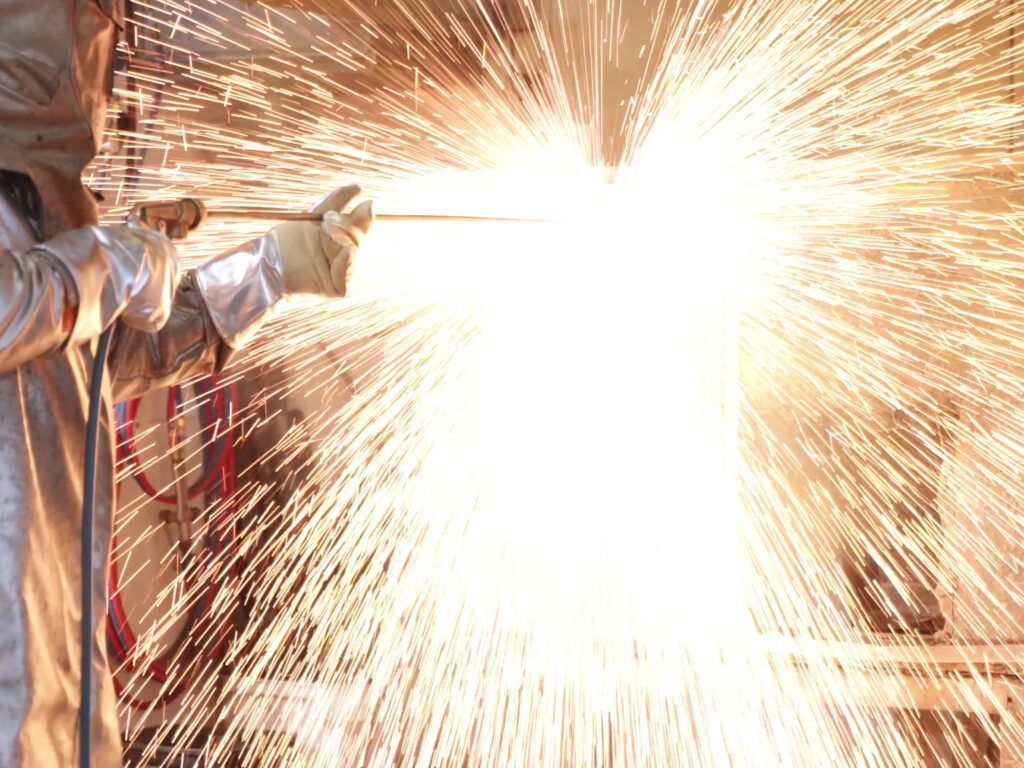
Read the complete designation. A listing for the lock alone does not certify the safe body, the door or your chosen anchoring arrangement. A substantial handle and visible bolts are construction features, not a substitute for the relevant independent classification.
UL RSC and TL labels are not the same category
UL evaluates residential security containers under UL 1037 and identifies multiple attack levels. Its separate UL 687 standard covers burglary-resistant safes, including TL classifications. UL 768 concerns combination locks. These references should not be collapsed into a single phrase such as UL safe.
The UL anti-theft certification overview distinguishes those standards and the RSC levels. A product description should say which one applies rather than borrowing the strongest implication of the UL name.
TL-15 and TL-30 are specific test designations, not a fire rating or a guarantee that every surface receives an identical assessment. The published UL 687 scope distinguishes door-and-front-face classes from classifications with additional coverage. Verify the whole label rather than assuming an omitted suffix is irrelevant.
European grades: S2 is not Grade II
EN 14450 secure cabinets and EN 1143-1 safes are different categories. The European Certification Body explains that EN 14450 cabinets are classified below EN 1143-1 safes for burglary protection. Similar-looking numbers do not make the systems interchangeable.
The ECB-S FAQ is a useful primary explanation. In practical buying terms, an S2 cabinet should not be sold to you as though it were an EN 1143-1 Grade II safe.
Nor should you invent a direct conversion between an EN grade and a UL classification. Where insurance or a contract specifies one requirement, ask the responsible organization to accept any alternative explicitly. A retailer’s comparison chart is not necessarily the authority controlling your cover.
Water protection needs a depth and time
Water-resistant is not a complete flood specification. Look for the tested depth, duration, enclosure configuration and any installation condition. A brief splash, standing water and prolonged submersion are different exposures.
For example, SentrySafe lists an ETL-verified claim for the SFW123GDC involving up to eight inches of water for up to 24 hours. That illustrates a bounded claim, not permission to place every safe in a flood-prone basement or expect unlimited submersion protection.
Check whether anchoring changes the claim for the actual model. Some instructions require particular sealed fastenings; other models lose a stated water-resistance claim when altered. Do not carry a rule from one safe family across a whole brand.
Tested, certified and insured mean different things
A one-time test report, ongoing product certification and an insurer’s acceptance address different questions. Chubbsafes’ certification FAQ distinguishes testing a design from certification that also includes production checks. Ask to see evidence corresponding to the wording used in the sales description.
Insurance introduces your policy, location, contents and installation conditions. A seller’s suggested cash rating is not a universal promise that every insurer will cover that value. Obtain written acceptance where the safe is being purchased to satisfy a requirement.
Record whether the stated value concerns cash, jewelry or a particular class of possessions. Do not assume an illustrative conversion ratio applies internationally or to every policy. For a high-value collection, discuss the actual items rather than relying on one headline figure.
Verify the model, not just a familiar logo
Ask for a photograph of the actual certification label and the product record before an expensive purchase. Compare the model identifier, class and certificate reference with the supplied documentation. For used equipment, establish whether the lock or other components have changed.
Use the certifying body’s legitimate directory or contact route when the description is ambiguous. ECB-S provides a certified-product locator. A label photograph copied from a different safe is not confirmation that the item being delivered is covered.
Keep that evidence privately with the invoice and installation record. Avoid publishing your safe’s serial number and location in an open forum while asking strangers whether it is valuable.
Compare two offers without creating a fake overall score
Imagine Offer A states a paper fire classification with a duration and no independent burglary classification. Offer B states a burglary grade but provides no verified fire claim. Neither is automatically better; they address different priorities.
If you need both functions, ask for a product with evidence for both, or a storage arrangement that separates the requirements appropriately. Adding the numbers from unrelated labels cannot create a meaningful security score.
This example also explains why weight is not enough. A heavy unit may contain substantial fire insulation, while another design allocates its construction differently. Use weight for delivery and floor planning, not as a substitute for the certificate.
What to ask the seller before paying
Request the exact model and lock option, the full fire classification, the burglary classification if one is claimed, and the water-test conditions where relevant. Ask which installation instructions preserve those claims and what the delivery service actually includes.
Then check usable capacity and the items you intend to store. The best certificate cannot make a binder fit through a narrow opening or give you access to a document when the safe is located somewhere inconvenient.
For a product shortlist, use the existing home-safe buying guide. This page supplies the vocabulary needed to judge its specifications, rather than adding another list of supposedly strongest boxes.
Frequently asked questions
Does fireproof mean the contents cannot be damaged?
No. Read the stated test, duration and intended contents instead of treating the marketing word as unlimited protection. Keep independent copies of information you cannot replace.
Does a UL-listed lock make the safe UL burglary-rated?
Not automatically. The lock and the container can fall under different standards, so verify the classification of the complete safe.
Is a higher cash rating a guarantee of insurance cover?
No. The insurer must accept the actual product, contents and installation under the relevant policy. Keep that confirmation separate from a retailer’s suggestion.
Can I compare US and European ratings by number?
Not as a direct conversion. Ask which test and classification the requirement actually calls for, and verify any accepted alternative in writing.