Modern Car Theft Prevention Guide: Keyless, OBD, CAN, Physical Locks and Recovery
Modern car theft is no longer one problem with one solution. A vehicle can be targeted through stolen keys, keyless relay, key programming through the diagnostic port, attacks on internal vehicle electronics, opportunistic break-in or simple towing and removal. That is why the strongest prevention strategy is layered: protect the key, protect the vehicle’s access and diagnostic systems, add a visible physical barrier, choose parking carefully and have a recovery plan before anything happens.
This guide is the hub for our modern car-theft cluster. It connects the new articles on OBD, CAN, steering locks, Faraday pouches, stolen key fobs, driveway and parking-garage security, trackers and number plates with the existing SecurityLatest guides on keyless theft, anti-theft devices and what to do if a car is stolen.
Start by identifying how your car is most likely to be targeted
Not every vehicle has the same risk profile. A keyless-entry car may need stronger key-signal management. A vehicle with a vulnerable diagnostic port may benefit from an OBD protection solution. A car commonly targeted for parts may need parking and physical-security measures that would not matter as much on another model.
Check manufacturer, insurer and local police guidance for your exact vehicle. Police.uk currently recommends layered protection including physical locks, key security and securing the diagnostic port where appropriate. See its vehicle theft prevention guidance.
Keyless relay theft is only one electronic threat
Relay theft works by extending the communication between a passive key fob and the vehicle so the car believes the key is nearby. The practical owner response is straightforward: keep keys away from doors and windows, use a tested signal-blocking pouch where appropriate and disable passive signals if the vehicle supports that feature.
Our existing keyless car theft prevention guide covers that threat in depth. This cluster adds the other electronic and physical layers that should sit around it.
Protect the OBD port
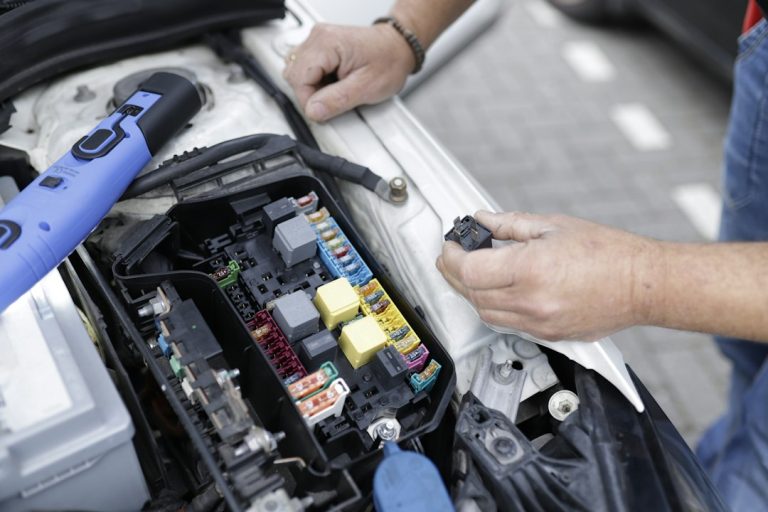
The onboard diagnostic port can be used legitimately for servicing and diagnostics, but police and Secured by Design guidance also warn that criminals can use access to the port to program a new key on some vehicles. A professionally fitted lockable cover or manufacturer-approved electronic protection may reduce that risk.
Read OBD Port Theft Prevention: Lock Guards, Key Programming and Safer Layers for the full guide.
Understand CAN-bus theft without obsessing over the technical attack
Some theft methods target the vehicle’s internal communications network rather than the key signal. Owners do not need to learn how the attack is performed. The useful question is what manufacturer updates, aftermarket security, physical barriers and parking practices can reduce exposure.
Our CAN-Bus Car Theft Guide explains the defensive side. Thatcham Research notes that the UK’s Crime and Policing Act 2026 specifically targets electronic theft tools including relay and CAN-bus injection devices, showing how significant these methods have become in vehicle security discussions.
Use a visible physical lock as a second system
Electronic attacks are attractive because they can bypass the vehicle’s normal authorization system. A strong steering-wheel lock creates a separate mechanical problem that the thief has to solve after gaining electronic access.
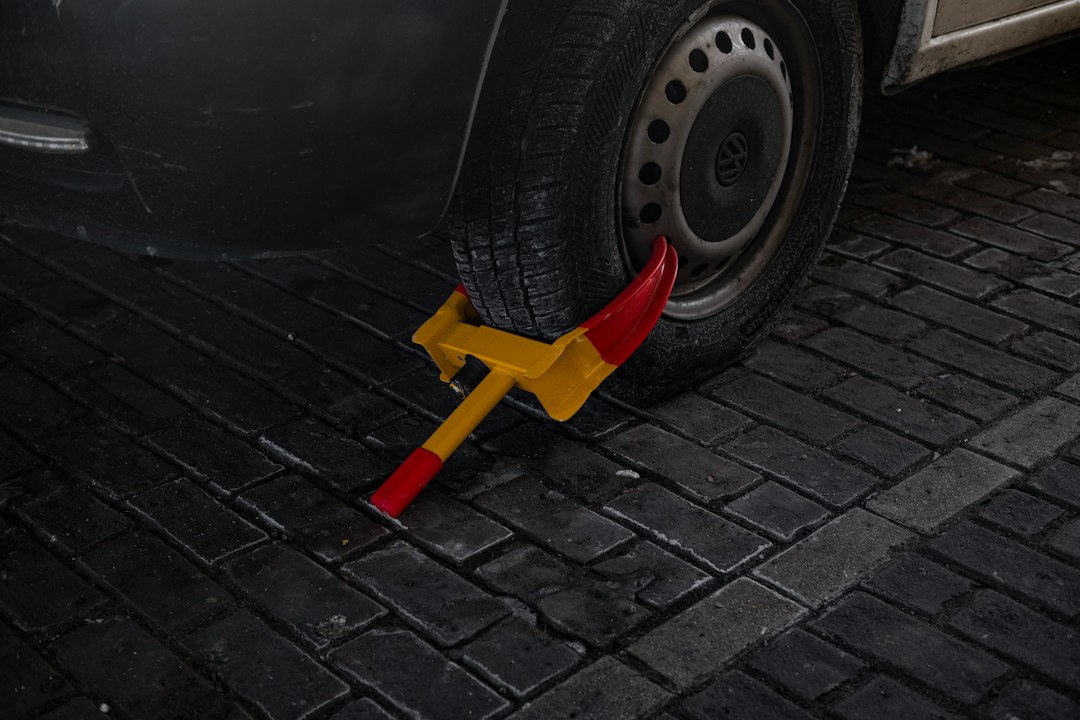
That is why police guidance still recommends steering locks despite modern immobilizers. See Do Steering Wheel Locks Work? for the differences between bar-style and full-cover devices, ratings and correct use.
Test Faraday pouches rather than assuming they still work
A signal-blocking pouch can degrade with wear, folding and damaged shielding. Secured by Design specifically advises testing key-security pouches periodically. The easiest owner test is to place the key inside correctly, close the pouch and confirm the vehicle no longer unlocks or starts when the pouch is held near the car.
Our Faraday Pouch for Car Keys guide covers how to choose, position and retest one without relying on marketing claims.
If a key fob is lost or stolen, act before the car disappears
A missing key is not just a replacement problem. If it may be in someone else’s possession, ask the dealer or qualified automotive locksmith whether the missing credential can be removed from the vehicle’s authorized key list.
Use Lost or Stolen Car Key Fob: What to Do Immediately for the response sequence.
Driveway security is about creating layers around the car
A car parked outside the home can be easier to target because thieves know where it is likely to be every night. Lighting, gates, garage use, physical locks, sensible camera placement and—where suitable and lawful—security posts or bollards can make the approach more complicated.
See Car Theft Prevention on a Driveway for a practical home setup.
Parking garages have different weaknesses
An apartment or office garage may feel secure because it has a gate, but tailgating, stolen access credentials, blind corners and predictable resident parking can undermine that assumption. Your vehicle still needs its own security layers.
Our Parking Garage Car Theft Prevention guide covers controlled garages, apartment parking and what residents can ask building management to improve.
Trackers are recovery tools, not theft-proofing
A tracker does not physically stop the theft. It can increase the chance that a stolen vehicle is located, especially when the system is designed for theft recovery and supported by a monitoring service or insurer-recognized process.
Read GPS Trackers for Stolen Car Recovery before choosing between consumer location devices and dedicated vehicle-tracking systems.
Number plates are part of vehicle security too
Stolen plates can be used to disguise other vehicles and can leave the legitimate owner dealing with tolls, fuel theft reports or police enquiries. Theft-resistant fixings are inexpensive compared with many anti-theft products.
See How to Prevent Number Plate Theft for fasteners, parking and what to do if plates disappear.
Use the existing SecurityLatest vehicle guides as supporting layers
The site already covers several parts of this problem. Our car anti-theft device guide compares physical locks, immobilisers and recovery systems, while What to Do If Your Car Is Stolen covers reporting, tracking, insurance and recovery.
We also cover catalytic converter theft, wheel theft, car battery theft and car stereo theft. Together, these pages form a broader vehicle-security cluster rather than forcing every threat into a single generic checklist.
A practical layered setup
- Lock the vehicle and manually confirm it locked.
- Keep keys and spares away from external doors and windows.
- Use a tested signal-blocking pouch if the keyless system is vulnerable to relay theft.
- Ask the dealer about software updates, key deactivation and model-specific security options.
- Protect the OBD port where police or manufacturer guidance recommends it.
- Add a quality steering-wheel lock or other independent physical restraint.
- Park in a garage, controlled car park or well-observed position where practical.
- Use a tracker only as part of a recovery plan, not as the only protection.
- Record VIN, plate, key count and tracker details somewhere separate from the car.
Bottom line
Modern car theft prevention works best when one successful attack does not give the thief a complete path to drive away. Protect the key, diagnostic access and vehicle electronics, add a visible physical lock, make the parking environment less convenient and prepare for recovery. The goal is not to guess the single technique a thief might use; it is to force several different systems to be defeated in the same attempt.